



Tevlaphee Upgraded Steering Wheel Lock Review: Does High Visibility Actually Stop UK Car Thieves?
Keyless entry systems dominate modern vehicles, creating new theft vulnerabilities. But traditional car theft through forced entry and physical driving remains widespread across the UK. Police statistics show thousands of vehicles stolen annually through methods that electronic security systems cannot prevent—broken windows, towed vehicles, and keys stolen during burglaries.
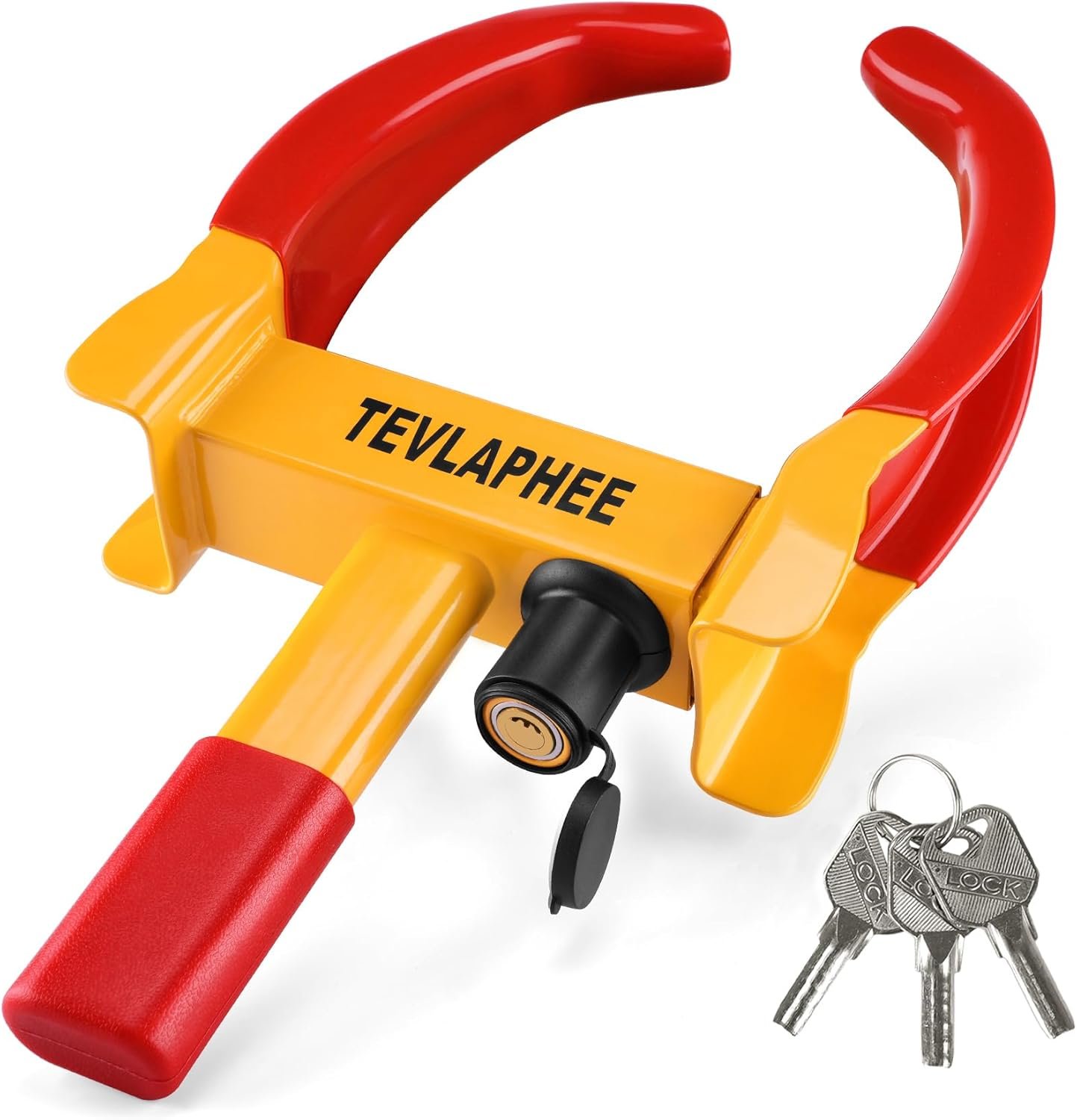
Steering wheel locks represent one of the oldest physical deterrents still in use. The Tevlaphee Upgraded Steering Wheel Lock takes the traditional concept and adds dual-point protection through both steering wheel and seat belt locking, high-visibility yellow colouring for maximum deterrent effect, and heavy-duty metal construction designed to resist common attack methods.
But do steering wheel locks genuinely prevent theft in 2026, or are they outdated security theatre? After researching UK theft methods, police recommendations, and testing this lock’s installation speed and physical resistance, the answer reveals important nuances about what visual deterrents actually accomplish and which vehicles benefit most from this type of protection.
Why Physical Steering Locks Still Matter
Many drivers assume modern electronic security makes physical locks obsolete. UK crime data tells a different story.
Traditional Theft Methods Remain Common
While relay attacks on keyless entry dominate headlines, opportunistic theft through smashed windows and hotwiring accounts for significant vehicle crime. Older vehicles lacking sophisticated immobilisers remain vulnerable to techniques that bypass electronic systems entirely. Police recovery data shows stolen vehicles often display signs of forced entry rather than electronic compromise.
A visible steering wheel lock immediately signals to opportunistic thieves that this vehicle requires additional tools and time to steal. When easier targets exist nearby, thieves consistently choose the path of least resistance. Physical deterrents work not by making theft impossible but by making your vehicle less appealing than alternatives.
Insurance Recognition and Discounts
Several UK insurance providers offer premium reductions for vehicles fitted with approved security devices. Steering wheel locks meeting Thatcham Category 3 standards or Sold Secure ratings qualify for discounts ranging from 5-15% annually. Over several years of coverage, these savings can exceed the lock’s purchase cost.
View on Amazon
Insurance companies recognise that physical deterrents reduce theft claims. Their willingness to discount premiums reflects actuarial evidence that these devices work in real-world scenarios.
High-Risk Parking Situations
Street parking in urban areas, public car parks, and remote locations increase theft risk dramatically. Electronic security provides no visible deterrent—thieves don’t know your alarm is active until they trigger it. A bright yellow steering lock visible through the windscreen advertises protection before any contact occurs, potentially preventing thieves from even approaching the vehicle.
For drivers regularly parking in vulnerable locations, the psychological deterrent effect matters more than the physical barrier. Professional thieves can defeat any lock given time and tools. Amateur opportunists abandon attempts when they see visible obstacles.
Understanding the Dual-Lock Design
The Tevlaphee lock distinguishes itself from standard steering wheel locks through its upgraded dual-attachment system.
Steering Wheel Locking Mechanism
The primary lock point attaches to the steering wheel using adjustable hooks that grip the wheel rim at two separate positions. Once locked, the rigid metal bar prevents wheel rotation beyond a few degrees. This makes steering impossible, rendering the vehicle undriveable even if the ignition is bypassed.
The universal fit design accommodates steering wheels from 6.5 to 15.75 inches diameter, covering nearly all passenger cars, SUVs, pickups, and commercial vehicles. The adjustment mechanism allows matching the lock to your specific wheel size for optimal fit and security.
Seat Belt Secondary Lock Point
The upgraded design adds a second locking point through the seat belt buckle. The metal bar threads through the seat belt, and when locked, creates tension between steering wheel and seat mounting point. This dual-anchor system provides several advantages over steering-wheel-only locks.
First, it prevents the steering lock from being twisted or levered off the wheel. Standard steering locks can sometimes be defeated by sawing through the steering wheel itself, removing a section, and sliding the lock off. The seat belt anchor makes this attack method significantly more difficult by adding a second removal point.
Second, the visible complexity of a dual-point lock increases psychological deterrent effect. Thieves seeing two attachment points perceive greater difficulty and time investment required, making alternative targets more attractive.
Metal Head Construction and Lock Cylinder
The lock cylinder uses hardened steel construction designed to resist drilling and picking attempts. Three keys are included with unique cuts, providing spares for household members while maintaining security. The metal housing around the cylinder protects against hammer attacks and physical forcing attempts.
However, no steering wheel lock provides absolute security against determined professionals with cutting tools. The goal is resistance sufficient to make theft too slow and conspicuous for practical completion before police response or owner return.
High Visibility Yellow Coating
The bright yellow powder coating serves dual purposes. First, it maximises visibility through windows, ensuring potential thieves see the deterrent from outside the vehicle. Second, the colour associates with security and warnings, psychologically reinforcing the presence of anti-theft measures.
Compared to black or grey locks that blend with interior colours, high-visibility yellow demands attention and communicates security even from distance in crowded car parks.
Real-World Usability and Installation
Security devices only work if owners use them consistently. Complicated or time-consuming installation leads to abandoned security routines.
Daily Installation Speed
Testing the Tevlaphee lock across multiple vehicles revealed installation takes approximately 15-25 seconds once you’re familiar with the process. Hook one end onto the steering wheel, thread through the seat belt, hook the other end, extend to proper tension, and lock. Removal follows the same steps in reverse after unlocking.
This speed makes daily use practical. Compare this to alarm systems requiring button sequences or steering wheel covers requiring wrestling and adjustment. The Tevlaphee lock achieves reasonable balance between security and convenience.
Fit Testing Across Vehicle Types
Testing in a 2018 Ford Focus, 2020 Toyota RAV4, and 2019 Transit Connect van confirmed the universal fit claims. The adjustable length accommodated all three steering wheel sizes without difficulty. However, achieving optimal tension required experimentation with seat belt threading positions to find the geometry that created firm lock without excessive pulling.
Some vehicles with unusual seat belt mounting angles required creative threading paths. Once the optimal position was identified for each vehicle, subsequent installations became routine. First-time users should expect 2-3 attempts to discover the best configuration for their specific vehicle.
Weight and Portability Considerations
The heavy-duty construction means the lock weighs approximately 1.2-1.4 kilograms. This isn’t something you casually toss around. When not in use, it requires dedicated storage space in your boot or footwell. The weight contributes to perceived security and physical resistance, but makes the lock more cumbersome than lightweight alternatives.
For drivers who only use steering locks during specific high-risk situations rather than daily, the storage consideration matters more than for those incorporating it into every parking routine.
Honest Advantages and Real Limitations
What Works Well
- Dual-lock design more secure than steering-wheel-only alternatives
- High visibility yellow immediately apparent to potential thieves
- Heavy-duty metal construction resists basic attacks better than thin steel
- Universal fit works across most vehicle types without modification
- 15-25 second installation practical for daily use once familiar
- Three keys included provide spares for household members
- Insurance discount eligibility offsets purchase cost over time
Genuine Drawbacks
- Cannot prevent towing or flatbed theft which bypass driving entirely
- Professional thieves with angle grinders can cut through in under a minute
- Heavy weight makes casual portability impractical for some users
- Seat belt threading requires practice for optimal positioning
- Yellow coating may chip or scratch with repeated use
- Not compatible with keyless relay attack protection which requires different measures
- Requires boot storage space when not in use
Who Actually Benefits From Steering Locks
Physical steering locks provide value in specific scenarios while offering limited benefit in others.
Ideal Use Cases
High-risk parking areas: Street parking in urban neighbourhoods with elevated vehicle crime statistics benefits significantly from visible deterrents. Public car parks, train stations, and airport long-term parking represent environments where steering locks provide meaningful theft reduction through opportunistic deterrence.
Older vehicles lacking modern security: Cars manufactured before widespread immobiliser adoption remain vulnerable to traditional theft methods. Vehicles from the 1990s and early 2000s particularly benefit from physical security layers that modern cars achieve through electronics.
High-value or desirable vehicles: Cars frequently targeted by thieves—performance models, luxury brands, easily parted-out vehicles—attract professional attention. While steering locks won’t stop determined professionals, they add time and visibility to theft attempts, increasing capture risk that may redirect thieves toward easier targets.
Commercial and work vehicles: Vans and trucks containing tools and equipment face double theft risk—both vehicle and contents. Steering locks provide baseline security while drivers focus on cargo protection through additional measures.
Limited Value Scenarios
Vehicles with comprehensive breakdown cover: Drivers with insurance including theft protection and replacement vehicle provision face lower financial consequences from theft. The inconvenience remains, but the cost-benefit calculation shifts when insurance covers losses.
Secure private parking: Locked garages, gated communities, and monitored car parks with security personnel reduce theft risk through environmental factors. Adding steering locks in already-secure locations provides minimal additional benefit.
Modern vehicles in low-crime areas: New cars with sophisticated immobilisers and alarms, parked in residential areas with low vehicle crime rates, already possess adequate security. Adding steering locks creates inconvenience without proportional security gain in these circumstances.
Comparing Physical Deterrent Options
Standard Steering Wheel Locks
Traditional single-point steering locks attach only to the wheel without seat belt anchoring. They cost less but provide easier defeat through steering wheel cutting. The Tevlaphee’s dual-point design represents meaningful security improvement over basic models while remaining more affordable than premium alternatives.
Gear Stick and Handbrake Locks
Locks that immobilise gear selectors or handbrakes prevent vehicle movement even if steering is possible. However, they’re less visible than steering locks, reducing deterrent effect. Many modern vehicles with electronic parking brakes lack physical handbrakes to lock, making these devices incompatible with newer cars.
Wheel Clamps
Heavy-duty wheel clamps provide maximum physical security by preventing wheel rotation. Professional-grade clamps defeat all but the most determined attacks. However, they weigh 5-10 kilograms, require bending to install at ground level, and cost significantly more than steering locks. The added security comes with substantial inconvenience that most casual users won’t tolerate daily.
Kill Switch Installation
Hidden electrical switches that interrupt ignition circuits prevent starting even with keys. They’re invisible, providing no deterrent but absolute prevention until discovered. Installation requires electrical knowledge or professional help. Kill switches complement rather than replace steering locks—the hidden switch stops starting, the visible lock deters attempts.
Frequently Asked Questions
Can professional thieves defeat steering wheel locks quickly?
Yes. Professional thieves with portable angle grinders or hydraulic spreaders can remove most steering locks in 30-90 seconds. However, these tools create noise, sparks, and attention. The goal isn’t making theft impossible but making it conspicuous enough that thieves choose easier targets. Steering locks work primarily through deterrence rather than absolute physical prevention.
Does the yellow colour really matter for deterrent effect?
High-visibility colours increase psychological impact by drawing attention to security measures. Studies on vehicle theft prevention show visible deterrents reduce theft attempts more effectively than hidden security. The bright yellow communicates “protected vehicle” instantly to anyone glancing through windows. Black locks blend with dark interiors, reducing this effect.
Will the lock damage my steering wheel or seat belt?
The contact points use rubberised coating to prevent scratching. With proper installation, no damage occurs to steering wheels or seat belts. However, over-tightening or forcing installation creates stress points that may mark leather steering wheels or strain seat belt fabric over extended periods. Follow manufacturer guidelines for appropriate tension.
Can I leave the lock installed while driving?
Absolutely not. The lock prevents steering wheel rotation, making driving impossible and extremely dangerous. Always remove the lock completely before starting the engine. Some drivers store the lock in the passenger footwell as a visual reminder to reinstall upon parking.
Does this protect against keyless relay attacks?
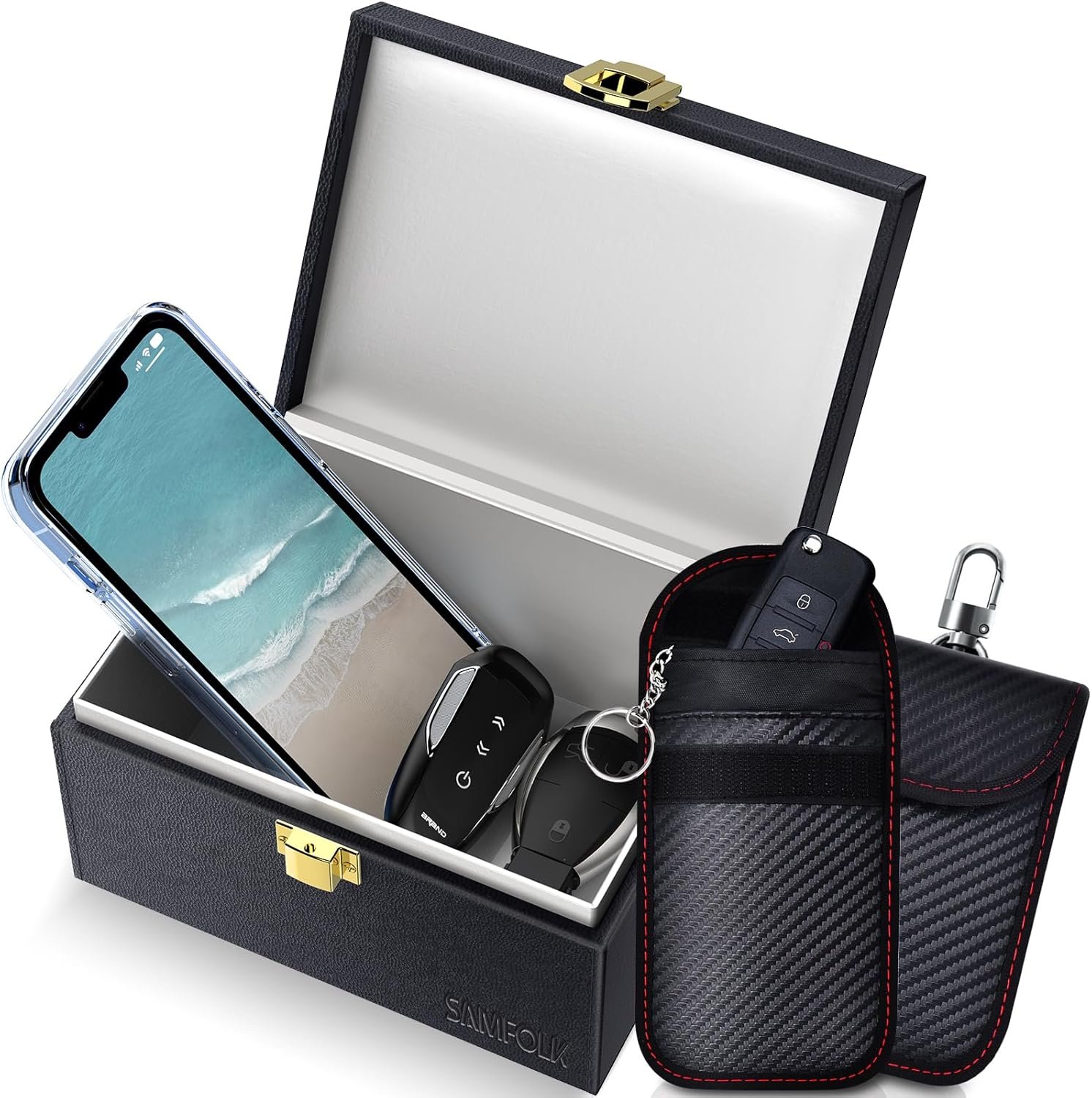
No. Steering locks prevent physical driving but don’t address electronic key signal theft. Keyless relay attacks unlock and start vehicles electronically, bypassing physical locks entirely. Combine steering locks with Faraday pouches for comprehensive protection against both traditional and electronic theft methods.
How does dual-point locking improve security over standard locks?
Standard steering locks can be defeated by sawing through the steering wheel, removing a section, and sliding the lock off. The seat belt anchor point makes this attack require cutting two points—both steering wheel and seat belt—doubling time and effort. It also prevents levering the lock off through brute force twisting.
Will insurance companies recognise this lock for discounts?
Insurance recognition depends on meeting specific security standards like Thatcham or Sold Secure ratings. Check the product documentation for certifications and contact your insurer to confirm discount eligibility before purchasing if insurance savings motivate the investment. Not all steering locks qualify for discounts even if they provide adequate security.
Can I use this lock on commercial vehicles and vans?
Yes, the universal fit design accommodates larger steering wheels common in commercial vehicles. However, some vans with column-mounted seat belts or unusual belt positioning may complicate the dual-point installation. Test fit before committing if your vehicle has non-standard interior layout.
Final Assessment for UK Drivers
The Tevlaphee Upgraded Steering Wheel Lock provides solid physical theft deterrence through proven mechanical prevention combined with high-visibility warning. It’s not cutting-edge technology—it’s traditional security implemented well with meaningful improvements over basic steering locks through dual-point attachment and robust construction.
The reality is that no steering lock prevents theft by determined professionals. The true value lies in opportunistic deterrence that redirects casual thieves toward easier targets. In car parks with multiple similar vehicles, the one displaying a prominent yellow steering lock becomes the least attractive option. This psychological effect drives most of the lock’s security value.
For UK drivers parking regularly in high-risk areas, owning older vehicles without modern immobilisers, or seeking insurance discounts through approved security devices, the Tevlaphee lock represents worthwhile investment. The dual-lock design provides genuinely better security than single-point alternatives at similar cost, making it preferable to budget options.
However, drivers with secure parking, comprehensive insurance, or modern vehicles in low-crime areas gain limited benefit. The daily installation routine becomes an inconvenience without proportional security improvement in these circumstances.
The steering wheel lock remains relevant in 2026 not because it prevents sophisticated attacks but because most vehicle theft remains opportunistic rather than professional. Simple visible deterrents continue working because thieves consistently choose paths of least resistance. The Tevlaphee lock makes your vehicle demonstrably more resistant than unprotected alternatives visible through every nearby windscreen.